
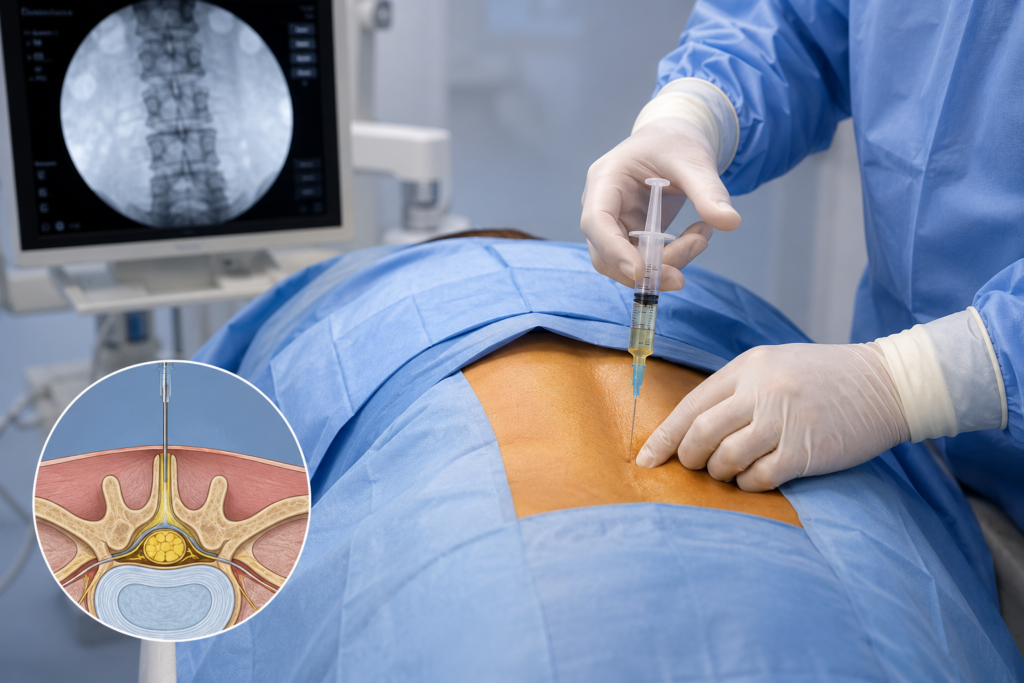
The Ultimate Guide to Platelet-Rich Plasma (PRP) Injections
The human body possesses a truly remarkable capacity to heal itself. When you suffer an injury, your body immediately signals an intricate internal response, rushing vital nutrients and specialized cells to the site of the trauma to begin repairs. For decades, modern medicine has sought ways to replicate, isolate, and accelerate this natural phenomenon. Enter Platelet-Rich Plasma (PRP) therapy—a groundbreaking treatment in regenerative medicine that harnesses your body’s own biological healing mechanisms.
Originally developed in the 1970s and popularized in the 1980s and 1990s for open-heart and dental surgeries, PRP therapy has recently experienced a massive surge in popularity. Today, it is utilized by elite athletes to recover from debilitating sports injuries, by dermatologists to reverse the signs of aging, and by clinics worldwide to naturally combat hair loss. But what exactly makes this treatment so versatile and effective?
What is Platelet-Rich Plasma (PRP) Therapy?
To understand how PRP works, it is essential to look at the composition of our blood. Human blood is primarily made up of a liquid called plasma, which acts as a transportation medium for red blood cells, white blood cells, and platelets. While platelets are most famous for their role in clotting blood to stop bleeding, they also contain hundreds of specialized proteins called growth factors.
Growth factors are the unsung heroes of cellular repair. When concentrated and applied to damaged tissue, these proteins act as powerful messengers, signaling your body to regenerate cells, build new blood vessels, and stimulate local stem cells. PRP therapy involves extracting a small sample of your own blood and spinning it down to isolate and concentrate these platelets. The resulting golden fluid can contain a platelet concentration up to five to ten times richer than normal blood.
By injecting this highly concentrated plasma directly into an area of concern—whether that is an arthritic knee or a thinning scalp—we effectively deliver a massive, localized dose of healing power. Because the treatment uses your own biological material (an autologous process), the risk of allergic reactions or rejection is virtually eliminated, making it a highly safe profile for most patients.
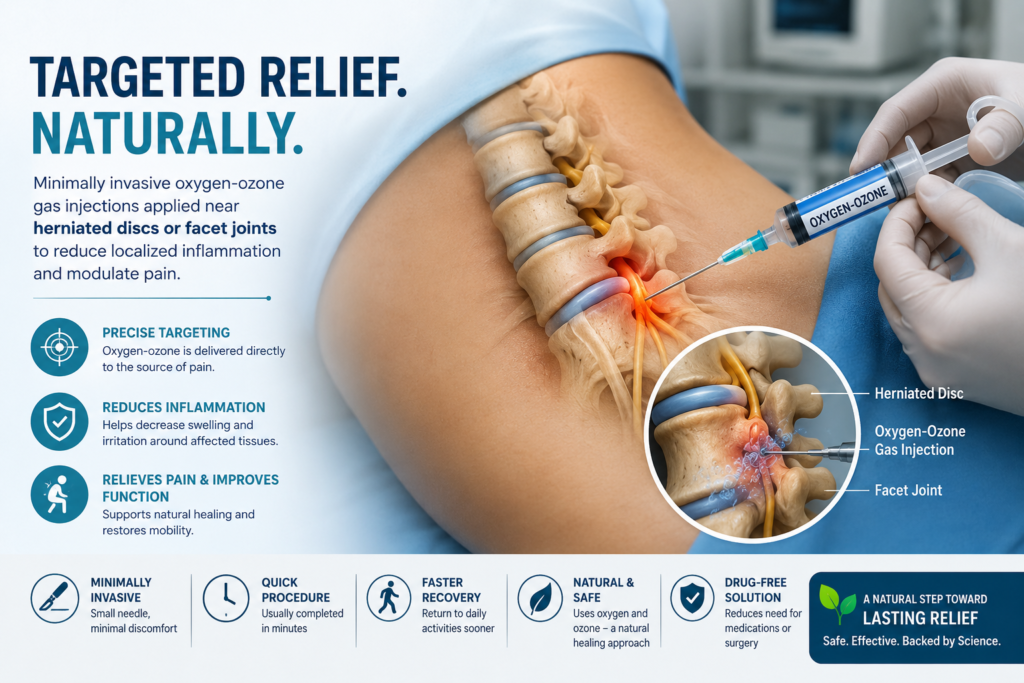
Key Benefits and Applications
The beauty of PRP lies in its biological adaptability. Because growth factors universally signal tissue repair, PRP can be directed to heal vastly different parts of the body. The medical and aesthetic communities generally categorize PRP treatments into a few primary applications:
Orthopedics and Sports Injuries: PRP is widely used to treat chronic tendon injuries, such as tennis elbow or Achilles tendonitis, which are notoriously difficult to heal due to poor natural blood supply. It is also increasingly used to manage osteoarthritis, particularly in the knees, by reducing inflammation and improving the health of the lubricating synovial fluid.
Hair Restoration: For individuals suffering from androgenetic alopecia (pattern baldness), PRP injections directly into the scalp can stimulate dormant hair follicles. The growth factors help to prolong the anagen (active growth) phase of the hair cycle, leading to thicker, denser, and healthier hair over time.Skin Rejuvenation: Often referred to in pop culture as a “Vampire Facial,” PRP can be injected or micro-needled into the face. It triggers profound collagen and elastin synthesis, smoothing fine lines, improving uneven skin tone, and restoring a youthful, healthy glow to the skin.Post-Surgical Healing: Surgeons across various disciplines—from maxillofacial to cosmetic surgery—sometimes apply PRP to surgical sites to accelerate tissue regeneration, minimize scar formation, and reduce postoperative pain.
The PRP Procedure and Recovery
One of the most appealing aspects of PRP therapy is its simplicity and efficiency. The entire procedure is performed in an outpatient setting and typically takes less than an hour from start to finish. The clinical process can be broken down into three streamlined phases:
Step 1: The Blood Draw: The procedure begins just like a standard blood test. A clinician will draw a small amount of blood from a vein in your arm, usually between 15 to 50 milliliters depending on the size of the treatment area.
Step 2: Centrifugation: The vial of blood is placed into a high-speed centrifuge. Over the course of about 10 to 15 minutes, the rapid spinning force separates the blood components by weight. The red and white blood cells sink to the bottom, leaving the concentrated, platelet-rich plasma at the top.
Step 3: Targeted Injection: The clinician extracts the PRP into a new syringe. To ensure absolute precision, especially for joint injections, they may use ultrasound imaging to guide the needle. The PRP is then carefully injected directly into the damaged tissue or aesthetic target area.
Important Recovery Note: Following a PRP injection, it is perfectly normal to experience localized swelling, redness, or mild discomfort for a few days. This is actually a sign that the body’s inflammatory healing cascade has been successfully activated. Patients are strictly advised not to take NSAIDs (like ibuprofen or naproxen) during this period, as anti-inflammatory medications will block the very healing process the PRP is trying to create
Is PRP Therapy Right for You?
While Platelet-Rich Plasma therapy is a powerful tool, it is not a magical overnight cure. It requires time and patience. Because the injections stimulate biological growth rather than providing a synthetic mask, it often takes several weeks to months to see the full clinical benefits.
Ideal candidates are generally healthy individuals looking for natural, minimally invasive alternatives to surgery or long-term medication. However, those with specific medical conditions—such as active systemic infections, critical platelet disorders, or those taking heavy blood-thinning medications—may not be suitable candidates. Additionally, because the results rely entirely on your body’s innate healing capacity, factors like smoking, poor diet, and advanced age can slightly blunt the efficacy of the treatment.
To maximize results, practitioners usually recommend a series of treatments. For hair restoration, this might look like three initial sessions spaced a month apart, followed by bi-annual maintenance. For joint pain, one to three injections may provide relief that lasts for a year or more.
Ultimately, PRP represents a massive leap forward in how we approach healing, aging, and wellness. By turning the body into its own pharmacy, it offers a sustainable, natural, and highly effective path to better health.